Business update
Fresh stories, announcements and offers about Doctor, straight from our business.

SKIN CONSULTATION

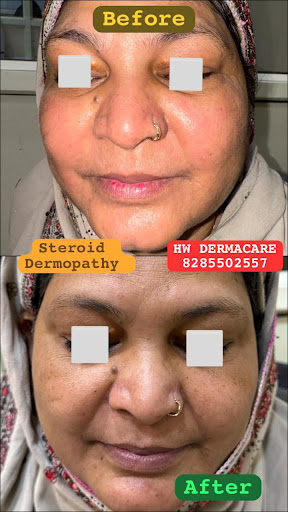
Steroid dermopathy is a skin condition caused by the prolonged or improper use of topical steroid creams. These creams are often used for itching, rashes, pigmentation, or acne—sometimes without medical advice. What happens to the skin? Long-term steroid use can thin the skin, making it fragile and shiny. Common signs include: Skin thinning and easy bruising Stretch marks (especially on face, arms, or thighs) Redness, burning, or increased sensitivity Worsening acne or rosacea-like eruptions Unwanted hair growth or pigmentation changes Why is it dangerous? Steroids may give quick relief, but misuse damages the skin’s natural barrier and can make the original problem worse over time. Prevention & Care Never use steroid creams without a doctor’s advice Avoid long-term or repeated use on the face Read labels carefully—many “fairness” or combo creams contain steroids Consult a dermatologist if symptoms appear Healthy skin needs the right treatment, not shortcuts. Spread awareness—protect your skin!



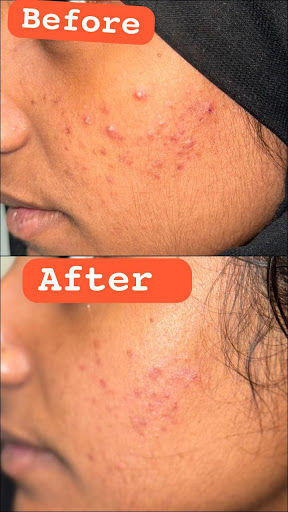
Acne is a common skin condition that affects people of all ages, not just teenagers. It happens when pores get clogged with oil, dead skin cells, and sometimes bacteria, leading to pimples, blackheads, or whiteheads—most often on the face, chest, and back. Several factors can trigger acne, including hormonal changes, stress, certain foods, skincare products, and genetics. While it’s not dangerous, acne can affect confidence and self-esteem, so proper care matters. Simple habits can make a big difference: gently cleanse your skin twice a day, avoid harsh scrubbing, use non-comedogenic (non–pore-clogging) products, and resist the urge to pop pimples. Staying hydrated, eating a balanced diet, and managing stress also help. If acne is persistent or severe, a dermatologist can recommend effective treatments. Remember—clear skin takes time, and everyone’s skin journey is different. 💙
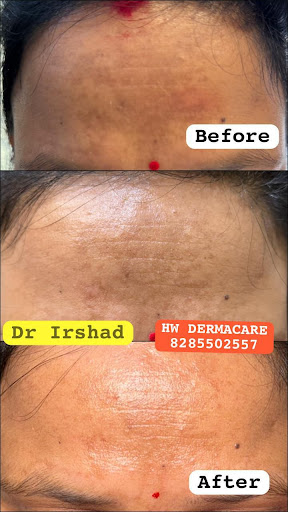
Melasma is a common skin condition that causes dark, patchy discoloration—most often on the face, especially the cheeks, forehead, nose, and upper lip. It’s more common in women and is often triggered by sun exposure, hormonal changes (like pregnancy or birth control), genetics, and heat. While melasma is harmless, it can affect confidence. The good news? It can be managed. Daily use of broad-spectrum sunscreen, avoiding excessive sun and heat, and using dermatologist-recommended treatments such as topical creams, chemical peels, or laser therapies can help fade the patches over time. Consistency is key—melasma doesn’t disappear overnight. If you’re struggling with persistent dark patches, consult a dermatologist for a personalized treatment plan. ✨ Protect your skin, be patient, and remember: healthy skin is beautiful skin.
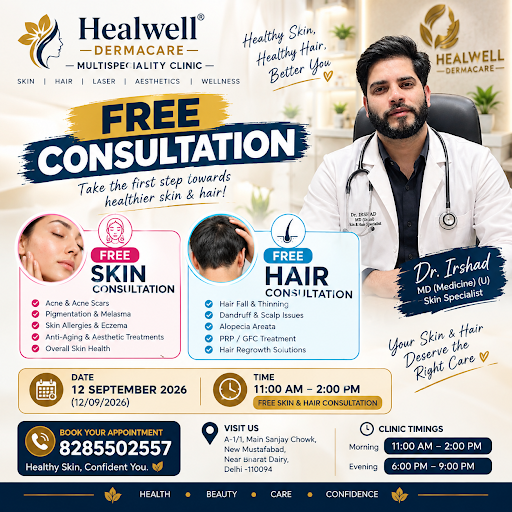
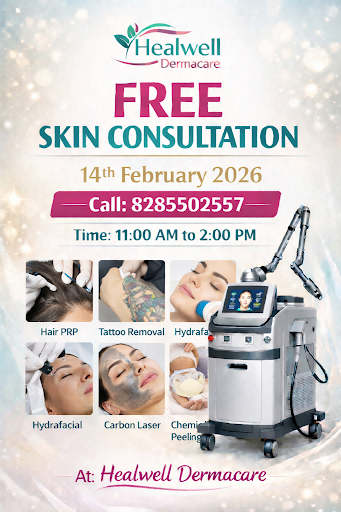
“Healthy Skin, Strong Hair, Beautiful Nails – Free Consultation Available” We offer expert guidance for common skin, hair, and nail concerns through a personalized, professional consultation at no cost. Take the first step toward better health and confidence with trusted care and appropriate advice.

Steroid dermopathy is a skin condition caused by the prolonged or improper use of topical steroid creams. These creams are often easily available and commonly used for itching, rashes, acne, pigmentation, or fungal infections—sometimes without medical advice. While they may give quick relief initially, long-term misuse can seriously damage the skin. Common features of steroid dermopathy include thinning of the skin, redness, visible blood vessels, increased hair growth, acne-like eruptions, pigmentation changes, and delayed healing. Many people also experience burning, worsening rashes, or flare-ups when they try to stop the steroid suddenly—a condition known as topical steroid withdrawal. The face, groin, and underarm areas are especially vulnerable because the skin there is thinner and more sensitive. Using combination creams (often sold as “triple creams”) is a major cause, particularly when used for fungal infections, where steroids actually worsen the problem. Prevention is key. ✔️ Use steroid creams only when prescribed by a qualified doctor ✔️ Avoid self-medication and over-the-counter combination creams ✔️ Do not use steroids for cosmetic purposes ✔️ Never stop long-term steroids abruptly without medical guidance Early diagnosis and proper treatment can reverse many changes. If you notice worsening skin problems after using steroid creams, consult a dermatologist promptly. Healthy skin starts wit